

Power Infrastructure
OVERVIEW
Precision Documentation Across the Entire Power Value Chain.
Power infrastructure including generation plants, transmission substations, distribution networks, solar farms, and grid switching yards operates under zero-tolerance conditions where documentation gaps become safety liabilities and outage risks. Accurate as-built records are mandatory for grid compliance, equipment replacement, and capacity expansion.
VB Terrascan deploys FARO laser scanners into operational power facilities such as thermal plants, substations, switchyards, and renewable energy installations, capturing structural systems, HV equipment layouts, cable routing, and civil infrastructure with sub-3mm accuracy and no production disruption. AI-segmented point clouds are processed into BIM models and digital twins that support asset lifecycle management, compliance documentation, and grid expansion planning.

OUR ROLE
How We Deliver Industrial Excellence
Precision Site Surveying & 3D Laser Scanning
FARO long-range and SLAM-enabled scanners operate in live substations and generation facilities, capturing HV equipment, structural steelwork, cable trays, transformer bays, and civil infrastructure at sub-3mm accuracy with zero disruption to energised systems.
BIM & Electrical Infrastructure Modeling
Point clouds are converted into coordinated BIM models of all power infrastructure including structural, electrical, and civil systems, covering switchgear layouts, transformer footprints, busbars, and cable routing, ready for grid authority review and capacity planning.
As-Built Documentation & Regulatory Deliverables
CEA and grid-compliance as-built drawings, equipment layout plans, single-line diagram overlays, and deviation reports are delivered to regulatory standards for grid operator submission, insurance audit, and capital works approval.
Digital Twin & Grid Asset Management
AI-integrated digital twins monitor equipment conditions, thermal performance anomalies, and structural asset health across the entire power network, enabling predictive maintenance and data-driven capital planning for utility asset managers.
TECHNOLOGY
Technology That Powers Precision
Long-Range 3D Laser Scanning
BIM & Structural Integration
Digital Twin Solutions
CAD & Engineering Documentation
CEA & Regulatory Data Integration
Sectors at a Glance
Sectors We Serve

Airport digital twins consolidate airside, terminal and landside data into a live operational model. Crowd simulation, gate utilisation and infrastructure compliance checks run continuously against the as-built point cloud baseline.

FARO 3D scanning delivers millimetre-accurate as-built documentation of commercial towers, mixed-use developments, and retail complexes. AI-processed point clouds feed directly into CIM-ready BIM models for lease management, fit-out coordination, and asset handover.

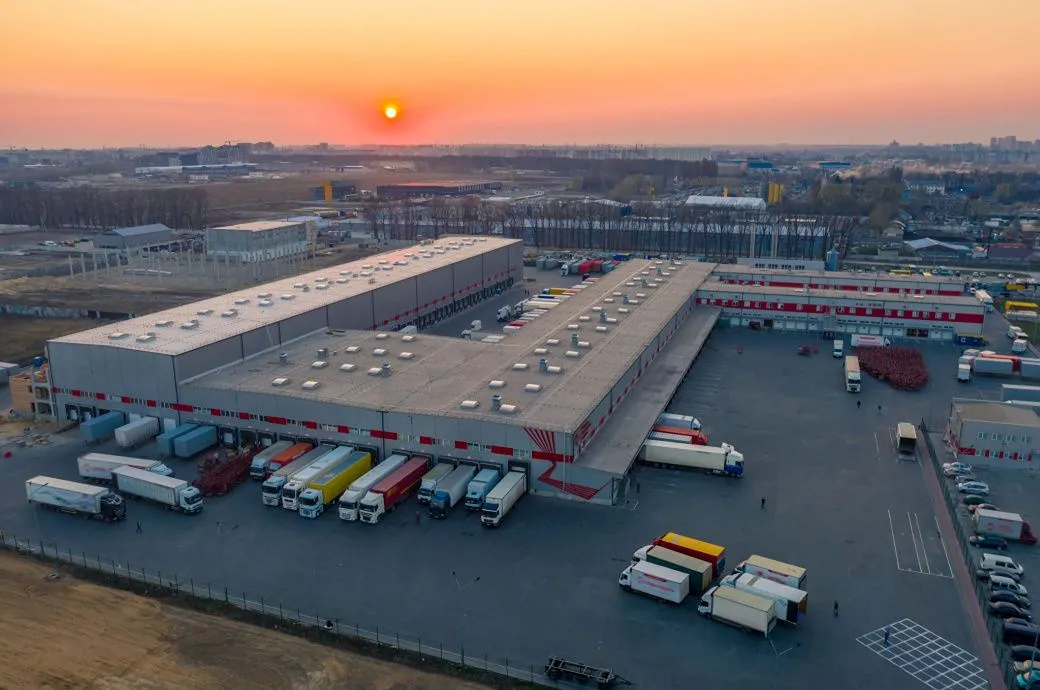
Industrial parks feature modular zoning, high-bay warehouses and heavy load infrastructure. Digital twin deployment enables real-time asset monitoring, predictive maintenance scheduling and 360° facility walkthroughs without site visits.
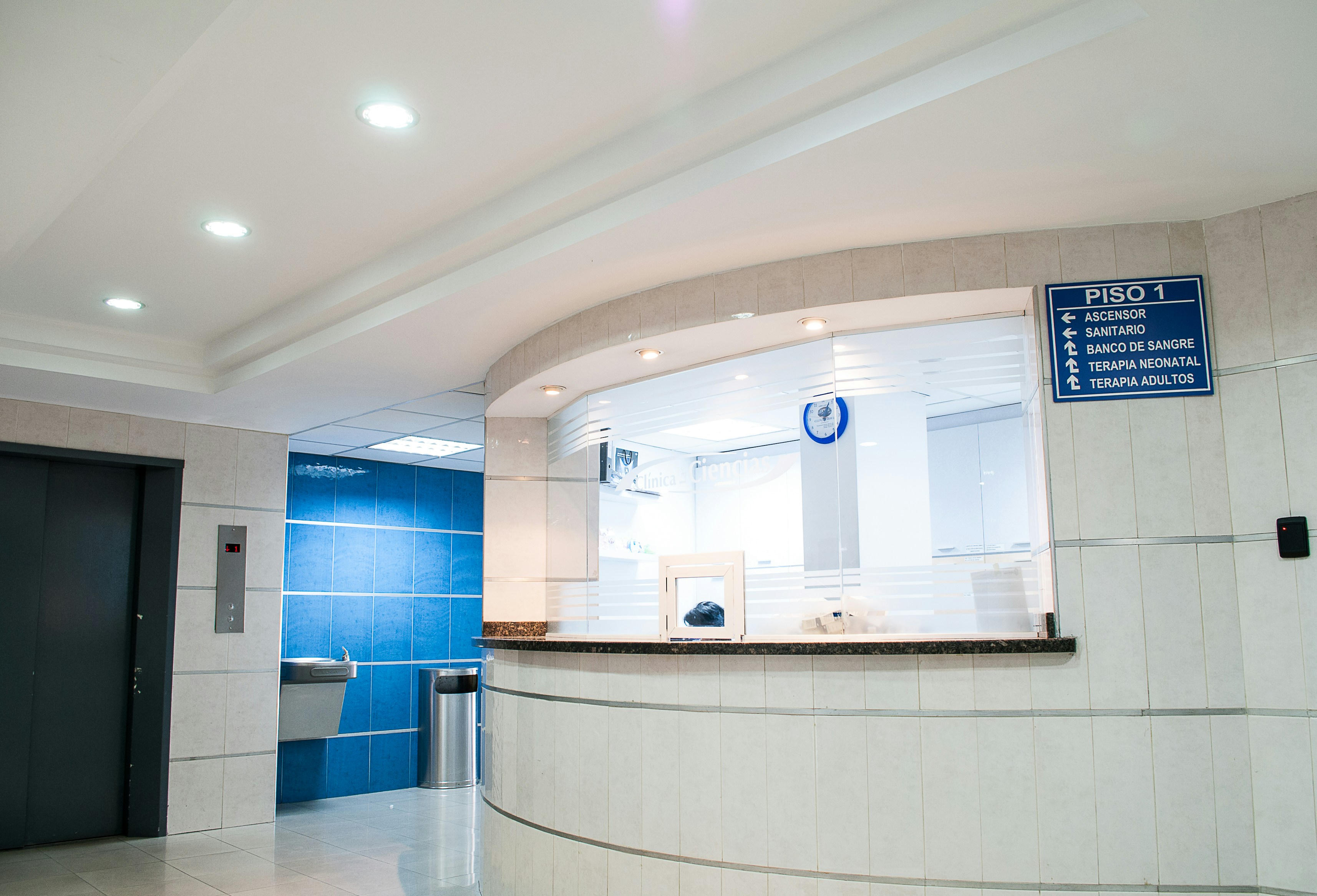
Healthcare facilities demand as-built documentation accuracy beyond standard construction tolerances. FARO scanners capture ward layouts, operating theatres, MEP systems and cleanroom envelopes with millimetre-level accuracy, supporting HTM/NABH-compliant asset management and regulatory compliance.

Bridges, flyovers, dams, rail corridors and port facilities don’t leave much room for error. These are live assets, often under load and the survey data needs to match that reality. Manual methods are too slow, too exposed and not precise enough for environments where you can’t shut things down and wait.
SLAM-enabled terrestrial scanners navigate confined spaces while capturing 2 million points per second. AI-segmented point clouds auto-generate piping, HVAC, and structural Revit models with sub-2mm deviation.

Water infrastructure, including treatment plants, effluent plants, distribution networks, pumping stations, reservoirs, and underground pipelines, underpins urban and industrial life. Ageing assets, expansion programmes, and regulatory demands all require documentation that stays current and accurate across every kilometre of network.

