

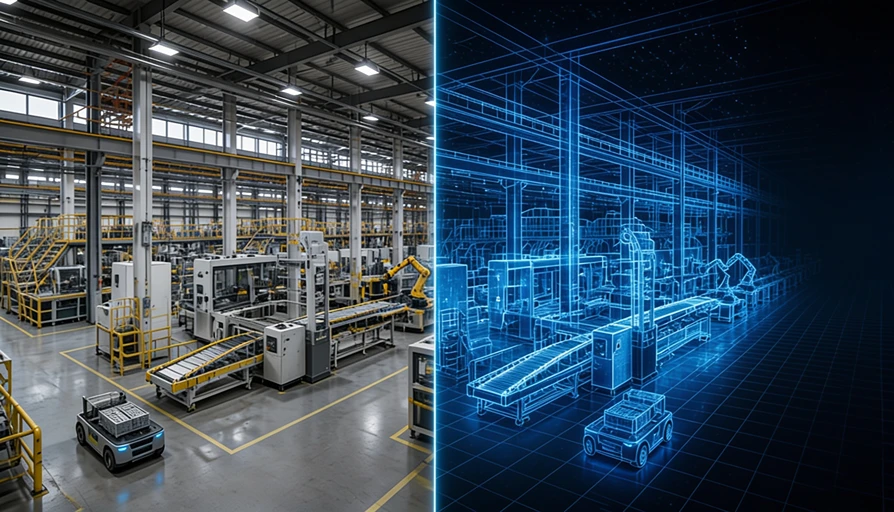
Facility management has evolved far beyond routine maintenance and building inspections. Today’s facilities are more complex than ever, integrating sophisticated HVAC systems, electrical networks, security infrastructure, smart sensors, and automated controls. Managing these interconnected systems efficiently requires more than spreadsheets, paper drawings, and reactive maintenance strategies. This is where Digital Twin technology is changing the game.
A Digital Twin is a virtual representation of a physical building or facility that continuously receives real-time data from sensors, IoT devices, and operational systems. Think of it as a living digital replica that mirrors everything happening inside a building. Instead of waiting for equipment to fail or problems to emerge, facility managers can monitor conditions, predict issues, and make informed decisions before disruptions occur.
The adoption of Digital Twin technology is growing rapidly across commercial buildings, industrial facilities, healthcare institutions, airports, universities, and smart cities. Organizations are increasingly realizing that data-driven facility management leads to reduced operational costs, better asset performance, enhanced occupant experiences, and improved sustainability. As buildings become smarter and more connected, Digital Twins are emerging as one of the most powerful tools for optimizing facility operations throughout the asset lifecycle.
What Is a Digital Twin?
A Digital Twin is a digital model that accurately replicates a physical asset, building, or infrastructure system. Unlike traditional 3D models, a Digital Twin is connected to live data sources that continuously update the model in real time. This dynamic connection allows facility managers to monitor the current state of assets, track performance metrics, and identify potential problems before they impact operations.
The concept goes beyond visualization. A Digital Twin collects information from IoT sensors, building management systems, energy monitoring tools, and maintenance databases. By combining physical and digital environments, it creates a comprehensive view of facility performance. Managers can observe everything from equipment temperatures and energy consumption to occupancy levels and air quality conditions through a single digital platform.
One of the most powerful aspects of a Digital Twin is its ability to simulate future scenarios. Facility managers can test operational changes, analyze maintenance strategies, and evaluate system upgrades before implementing them in the real world. This predictive capability transforms facility management from a reactive process into a proactive and strategic function.
Understanding the Digital Replica Concept
A Digital Twin serves as a real-time digital counterpart of a physical facility. Every connected system contributes data that keeps the virtual model synchronized with actual conditions.
How Digital Twins Work
Sensors installed throughout the facility collect operational data and transmit it to a centralized platform. This information updates the Digital Twin continuously, allowing managers to visualize and analyze building performance.
The Growing Need for Smart Facility Management
Traditional facility management often relies on scheduled inspections and reactive maintenance practices. While these methods have served organizations for decades, they are increasingly inadequate for modern facilities. Complex buildings generate massive amounts of operational data that can easily overwhelm manual management processes.
When facility managers lack visibility into building performance, problems often go unnoticed until equipment fails or occupant comfort is compromised. Emergency repairs are not only expensive but can also disrupt operations and reduce productivity. In industries such as healthcare and manufacturing, unexpected downtime can have significant financial and operational consequences.
Digital Twins address these challenges by providing continuous visibility into building operations. Instead of reacting to failures, managers can identify warning signs early and take preventive action. This shift from reactive to predictive facility management improves efficiency, reduces costs, and enhances overall asset performance. As organizations pursue sustainability goals and operational excellence, Digital Twins have become a critical component of modern facility management strategies.
Challenges of Traditional Facility Management
Traditional approaches often rely on fragmented information, manual inspections, and reactive maintenance, leading to inefficiencies and higher operational costs.
The Shift Toward Data-Driven Operations
Organizations are increasingly leveraging real-time data and analytics to optimize facility performance and improve decision-making.
Key Ways Digital Twins Improve Facility Management
Digital Twins offer numerous benefits that directly impact facility operations. By creating a real-time connection between physical assets and digital systems, organizations gain unprecedented visibility and control over their facilities. This capability enables smarter decision-making and supports continuous operational improvement.
One of the most significant advantages is the ability to monitor assets continuously. Facility managers no longer need to rely solely on routine inspections to understand equipment performance. Real-time monitoring provides instant insights into system conditions and alerts managers when anomalies occur. This visibility helps prevent failures and reduces downtime.
Another major benefit is predictive maintenance. Rather than replacing equipment based on fixed schedules, Digital Twins analyze performance data to determine when maintenance is actually needed. This approach reduces unnecessary maintenance activities while preventing costly breakdowns. The result is lower maintenance costs, improved reliability, and longer asset lifespans.
Real-Time Asset Monitoring
Digital Twins provide continuous visibility into equipment performance, environmental conditions, and operational metrics. Managers can monitor building systems from a centralized dashboard and respond quickly to potential issues.
Predictive Maintenance
By analyzing historical and real-time data, Digital Twins identify patterns that indicate potential equipment failures. Maintenance teams can address problems before they result in costly downtime.
Energy Efficiency Optimization
Energy costs represent a significant portion of facility operating expenses. Digital Twins help managers identify inefficiencies, optimize HVAC performance, and reduce energy consumption without compromising occupant comfort.
Space Utilization Management
Digital Twins provide insights into how spaces are being used. Facility managers can optimize layouts, improve occupancy planning, and make better decisions regarding workplace design.
Enhanced Safety and Compliance
Monitoring environmental conditions, fire safety systems, and critical infrastructure helps organizations maintain compliance and improve overall safety performance.
Digital Twin Technology and Building Information Modeling (BIM)
Many organizations begin their digital transformation journey with Building Information Modeling (BIM). BIM provides detailed digital representations of building components and systems during design and construction. While BIM serves as an excellent foundation, it does not typically include real-time operational data.
A Digital Twin extends the value of BIM by integrating live information from building systems and connected devices. The BIM model provides the geometry and asset information, while the Digital Twin adds operational intelligence. Together, these technologies create a comprehensive platform for managing facilities throughout their lifecycle.
For facility managers, the combination of BIM and Digital Twin technology offers significant advantages. They gain access to accurate building information, real-time performance metrics, and predictive analytics within a single environment. This integrated approach improves efficiency, enhances collaboration, and supports informed decision-making.
Benefits of Digital Twins for Facility Managers
The value of Digital Twins extends beyond technology. They deliver measurable business benefits that impact operational performance, maintenance strategies, and financial outcomes. Organizations that implement Digital Twins often experience significant improvements in efficiency and cost management.
Digital Twins enable facility managers to make decisions based on data rather than assumptions. Real-time insights provide a clearer understanding of asset performance and operational trends. This visibility helps managers prioritize resources, reduce risks, and improve service delivery.
Another major advantage is improved sustainability. By monitoring energy consumption and system performance, organizations can identify opportunities to reduce waste and lower carbon emissions. As environmental regulations become stricter, Digital Twins provide valuable support for achieving sustainability objectives and demonstrating compliance.
Cost Reduction
Proactive maintenance, optimized operations, and reduced downtime contribute to significant cost savings over the lifecycle of a facility.
Improved Decision-Making
Access to real-time data and predictive analytics enables facility managers to make faster and more informed decisions.
Extended Asset Lifespan
Monitoring equipment health helps organizations maintain assets more effectively and maximize their useful life.
Industries Benefiting from Digital Twin Technology
Digital Twins are transforming facility management across a wide range of industries. Commercial office buildings use Digital Twins to improve energy efficiency and occupant comfort. Healthcare facilities leverage the technology to maintain critical systems and ensure regulatory compliance.
Manufacturing plants utilize Digital Twins to monitor production equipment and minimize downtime. Airports use them to optimize passenger flow, infrastructure maintenance, and operational efficiency. Educational institutions benefit from improved campus management and resource utilization.
Industrial facilities, data centers, government buildings, and smart cities are also adopting Digital Twin technology to support complex operations and improve long-term asset performance. As the technology continues to mature, its applications are expanding across virtually every sector that relies on physical infrastructure.
Implementing a Digital Twin in Existing Facilities
Implementing a Digital Twin begins with creating an accurate digital representation of the facility. Technologies such as 3D laser scanning, Scan-to-BIM, and reality capture are often used to document existing conditions. These processes generate detailed models that serve as the foundation for the Digital Twin.
The next step involves integrating sensors, IoT devices, and building management systems. These technologies provide the real-time data necessary to keep the Digital Twin updated. Once connected, facility managers gain access to dashboards, analytics tools, and reporting capabilities that support ongoing operations.
Successful implementation requires collaboration between facility managers, technology providers, engineers, and operations teams. Organizations should define clear objectives and prioritize use cases that deliver measurable value. Starting with a pilot project can help demonstrate benefits and build support for broader adoption.
Future of Digital Twins in Facility Management
The future of facility management is increasingly connected, intelligent, and predictive. As IoT devices become more affordable and artificial intelligence continues to advance, Digital Twins will become even more powerful. Future systems will not only monitor building performance but also recommend actions and automate responses to changing conditions.
Machine learning algorithms will enhance predictive maintenance capabilities, allowing organizations to identify issues with greater accuracy. Advanced simulations will help facility managers evaluate operational strategies and optimize resource allocation. Integration with smart city platforms will create new opportunities for managing infrastructure at a larger scale.
Organizations that embrace Digital Twin technology today are positioning themselves for long-term success. The ability to leverage real-time data, predictive insights, and intelligent automation will become increasingly important in achieving operational excellence and sustainability goals.
Conclusion
Digital Twins are revolutionizing facility management by providing real-time visibility into building performance, asset health, and operational efficiency. Unlike traditional management approaches that rely on periodic inspections and reactive maintenance, Digital Twins enable organizations to make proactive decisions based on live data and predictive analytics.
From reducing maintenance costs and optimizing energy consumption to improving safety and extending asset lifespans, the benefits are substantial. As buildings become smarter and more connected, Digital Twin technology will play a central role in helping organizations manage facilities more effectively. For businesses seeking greater efficiency, sustainability, and operational resilience, investing in Digital Twins is rapidly becoming a strategic necessity rather than a technological luxury.
FAQs
1. What is a Digital Twin in facility management?
A Digital Twin is a real-time digital representation of a building or facility that uses live data from sensors and connected systems to monitor performance and operations.
2. How do Digital Twins reduce maintenance costs?
Digital Twins enable predictive maintenance by identifying potential issues before equipment fails, reducing emergency repairs and downtime.
3. Can existing buildings use Digital Twin technology?
Yes. Existing facilities can implement Digital Twins using 3D laser scanning, BIM models, IoT sensors, and building management system integrations.
4. How does a Digital Twin improve energy efficiency?
By monitoring energy consumption in real time, Digital Twins identify inefficiencies and provide insights that help optimize building systems.
5. What industries benefit most from Digital Twins?
Commercial real estate, healthcare, manufacturing, airports, education, industrial facilities, and smart cities all benefit from Digital Twin technology.
