

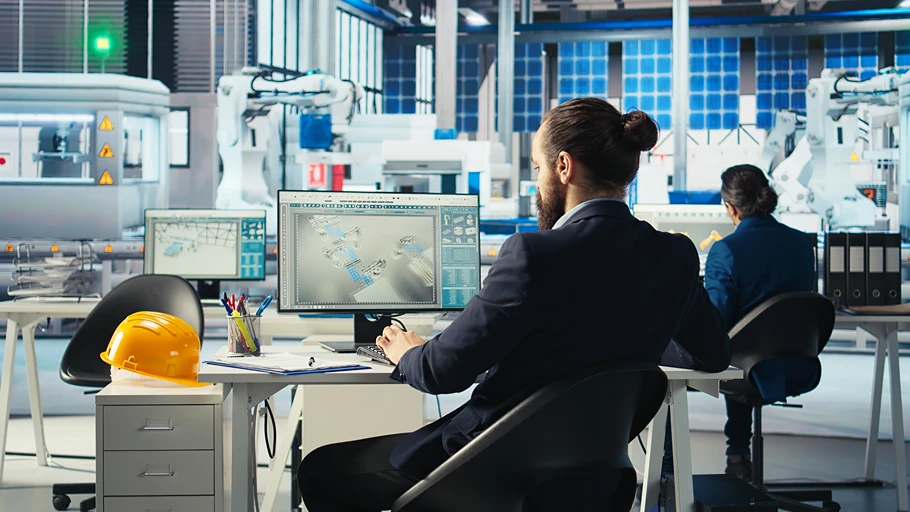
Industrial facilities are becoming increasingly complex. Modern manufacturing plants, refineries, power stations, warehouses, and processing facilities rely on thousands of interconnected assets, machines, and systems working together around the clock. Managing these facilities efficiently requires more than routine inspections and maintenance schedules. Facility owners need accurate, real-time information to reduce downtime, improve productivity, and maintain operational excellence. This is where Digital Twin technology is transforming industrial operations.
A Digital Twin is a dynamic digital representation of a physical facility, asset, or process that continuously receives real-time data from sensors, IoT devices, and operational systems. Unlike traditional facility models or static drawings, a Digital Twin evolves alongside the physical environment. It provides a live view of equipment performance, system health, energy consumption, and operational conditions. Think of it as a virtual command center that allows facility managers to monitor, analyze, and optimize industrial assets from a single platform.
As industries embrace Industry 4.0, digital transformation has become a strategic priority. Companies are under constant pressure to improve efficiency, reduce maintenance costs, enhance worker safety, and increase asset reliability. Digital Twins provide the intelligence needed to achieve these goals by connecting physical assets with data-driven insights. From predictive maintenance to operational optimization, Digital Twins are quickly becoming an essential tool for modern industrial facilities.
What Is a Digital Twin?
A Digital Twin is a virtual replica of a physical asset, process, or facility that uses real-time data to reflect actual operating conditions. Unlike a standard 3D model, a Digital Twin is continuously updated through information collected from sensors, IoT devices, SCADA systems, and other connected technologies. This real-time connection allows organizations to monitor asset performance and operational activities with exceptional accuracy.
The concept combines physical infrastructure with digital intelligence. Every machine, pipeline, production line, or building system can be represented within a Digital Twin environment. As data flows into the system, the virtual model mirrors the current state of the facility. This enables managers to visualize operations, identify inefficiencies, and make informed decisions without relying solely on manual inspections.
One of the most powerful capabilities of Digital Twins is simulation. Facility managers can test scenarios, evaluate process changes, and predict equipment behavior before implementing changes in the real world. This reduces risk, improves planning, and supports continuous improvement initiatives across industrial operations.
Understanding the Digital Replica
A Digital Twin is more than a digital model. It creates a live connection between physical assets and digital systems, ensuring that information remains accurate and current.
How Digital Twins Work in Industrial Environments
Sensors installed on equipment collect operational data such as temperature, vibration, pressure, flow rates, and energy consumption. This information updates the Digital Twin continuously, providing real-time visibility into facility performance.
Challenges Faced by Modern Industrial Facilities
Industrial facilities operate in highly demanding environments where downtime can result in substantial financial losses. Equipment failures, maintenance delays, safety incidents, and inefficient operations can significantly impact productivity. Traditional facility management approaches often struggle to provide the visibility needed to address these challenges proactively.
Many facilities still rely on manual inspections and scheduled maintenance programs. While these methods can be effective, they often fail to identify problems before failures occur. Unexpected equipment breakdowns can halt production, disrupt supply chains, and increase maintenance costs. In competitive industries, even a few hours of downtime can have serious consequences.
Another challenge is managing large volumes of operational data. Industrial facilities generate enormous amounts of information every day, but much of this data remains underutilized. Digital Twins transform raw data into actionable insights, helping organizations improve performance and make smarter decisions. As facilities continue to expand and modernize, the need for intelligent asset management solutions becomes increasingly important.
Equipment Downtime
Unplanned downtime remains one of the most costly challenges in industrial operations. Equipment failures can disrupt production and impact profitability.
Complex Asset Management
Industrial facilities often contain thousands of interconnected assets that require continuous monitoring and maintenance.
Rising Operational Costs
Energy consumption, maintenance expenses, and labor costs continue to increase, creating pressure to improve operational efficiency.
Why Industrial Facilities Need Digital Twins
Digital Twins provide a comprehensive solution to many of the challenges facing industrial facilities today. By creating a real-time digital representation of operations, organizations gain unprecedented visibility into equipment performance and facility conditions. This visibility enables proactive management strategies that improve efficiency and reduce risk.
One of the most valuable benefits is predictive maintenance. Instead of waiting for equipment to fail, Digital Twins analyze performance trends and identify potential issues before they become critical. This proactive approach minimizes downtime and extends asset lifespan. Maintenance teams can focus their efforts where they are needed most, reducing unnecessary inspections and lowering maintenance costs.
Digital Twins also improve decision-making. Facility managers can access real-time information through intuitive dashboards and visualizations. Whether monitoring production lines, evaluating energy usage, or assessing equipment health, managers can make data-driven decisions that enhance operational performance. This ability to respond quickly to changing conditions is a major competitive advantage in today’s industrial landscape.
Real-Time Monitoring and Visibility
Digital Twins provide continuous insights into facility operations, allowing managers to monitor equipment and systems in real time.
Predictive Maintenance
Advanced analytics identify potential failures before they occur, helping organizations avoid costly downtime and emergency repairs.
Improved Asset Performance
Real-time performance data enables organizations to optimize equipment usage and maximize operational efficiency.
Enhanced Safety and Compliance
Digital Twins help monitor safety-critical systems and support compliance with industry regulations and operational standards.
Energy Optimization
Monitoring energy consumption helps identify inefficiencies and reduce operating costs while supporting sustainability goals.
Digital Twins and Industry 4.0
Industry 4.0 is transforming industrial operations through automation, connectivity, and intelligent technologies. Digital Twins play a central role in this transformation by serving as the bridge between physical assets and digital ecosystems. They integrate data from IoT devices, artificial intelligence platforms, enterprise systems, and operational technologies.
This integration enables organizations to move beyond reactive management practices and embrace predictive and prescriptive approaches. Instead of simply understanding what happened, managers can predict what is likely to happen and determine the best course of action. Digital Twins provide the visibility and intelligence required to support smart manufacturing and connected industrial environments.
As Industry 4.0 initiatives continue to expand, Digital Twins will become increasingly important for organizations seeking to improve competitiveness and operational resilience. Their ability to combine real-time data with advanced analytics makes them a foundational technology for the future of industrial operations.
Key Benefits of Digital Twins for Industrial Facilities
Organizations implementing Digital Twin technology often experience significant improvements across multiple operational areas. The benefits extend beyond maintenance and asset management, influencing productivity, safety, sustainability, and profitability.
By providing real-time insights into facility operations, Digital Twins help organizations identify inefficiencies and optimize performance. This capability supports continuous improvement initiatives and enables managers to make more informed decisions. Access to accurate, up-to-date information reduces uncertainty and improves operational agility.
Digital Twins also contribute to long-term asset management strategies. By monitoring equipment health and performance trends, organizations can extend asset lifespans and improve return on investment. These advantages make Digital Twins a valuable tool for facilities seeking to maximize operational performance and minimize costs.
Reduced Downtime
Predictive maintenance and real-time monitoring significantly reduce unexpected equipment failures and production interruptions.
Better Decision-Making
Access to comprehensive operational data enables managers to make faster and more informed decisions.
Cost Savings
Improved efficiency, optimized maintenance schedules, and reduced downtime contribute to lower operating costs.
Applications of Digital Twins Across Industrial Sectors
Digital Twin technology is being adopted across a wide range of industrial sectors. Manufacturing facilities use Digital Twins to optimize production processes and improve equipment reliability. Oil and gas companies leverage the technology to monitor pipelines, refineries, and offshore assets.
Power generation facilities use Digital Twins to improve equipment performance and ensure reliable energy production. Mining operations benefit from enhanced asset monitoring and predictive maintenance capabilities. Warehouses and logistics centers utilize Digital Twins to optimize workflows and improve operational efficiency.
The flexibility of Digital Twin technology makes it suitable for virtually any industrial environment. As organizations continue to pursue digital transformation initiatives, adoption is expected to accelerate across multiple sectors.
Manufacturing Plants
Digital Twins help manufacturers optimize production lines, reduce downtime, and improve product quality.
Oil and Gas Facilities
Real-time monitoring enhances safety, improves asset reliability, and supports regulatory compliance.
Power Generation Facilities
Digital Twins enable proactive maintenance and improve the performance of critical power generation equipment.
Digital Twin Technology and BIM Integration
Many industrial facilities begin their digital transformation journey with Building Information Modeling (BIM). BIM provides detailed digital representations of facility infrastructure and equipment layouts. When combined with Digital Twin technology, BIM becomes a powerful operational tool.
The BIM model serves as the digital foundation, while real-time data transforms it into a living representation of facility operations. This integration allows facility managers to access both asset information and operational insights within a single environment. The result is improved visibility, enhanced collaboration, and better decision-making throughout the asset lifecycle.
Organizations that combine BIM and Digital Twins gain a comprehensive understanding of their facilities, from design and construction through operations and maintenance. This integrated approach supports long-term asset management and operational excellence.
Future of Digital Twins in Industrial Operations
The future of industrial facilities is increasingly connected and data-driven. Advances in artificial intelligence, machine learning, cloud computing, and IoT technologies will continue to enhance the capabilities of Digital Twins. Future systems will provide even deeper insights into asset performance and operational efficiency.
Artificial intelligence will enable Digital Twins to predict failures with greater accuracy and recommend corrective actions automatically. Autonomous systems may eventually respond to operational issues without human intervention. These developments will further improve productivity, safety, and sustainability across industrial facilities.
Organizations that invest in Digital Twin technology today are building the foundation for future success. As industrial environments become more complex, the ability to monitor, analyze, and optimize operations in real time will be essential for maintaining a competitive advantage.
Conclusion
Industrial facilities need Digital Twins because they provide the visibility, intelligence, and predictive capabilities required to operate efficiently in today’s complex environment. From reducing downtime and improving maintenance strategies to optimizing energy consumption and enhancing safety, Digital Twins deliver measurable value across the entire asset lifecycle.
As industries continue embracing digital transformation and Industry 4.0 initiatives, Digital Twins are becoming a critical component of modern industrial operations. Organizations that adopt this technology can improve productivity, reduce costs, and make smarter decisions based on real-time data. In an increasingly competitive market, Digital Twins offer the tools needed to achieve operational excellence and long-term success.
FAQs
1. What is a Digital Twin in an industrial facility?
A Digital Twin is a real-time digital representation of an industrial asset or facility that continuously updates using data from sensors and connected systems.
2. How do Digital Twins reduce downtime?
Digital Twins use predictive analytics to identify potential equipment issues before failures occur, allowing maintenance teams to take preventive action.
3. Can existing industrial facilities implement Digital Twins?
Yes. Existing facilities can create Digital Twins using 3D laser scanning, BIM models, IoT sensors, and operational data integration.
4. What industries benefit most from Digital Twin technology?
Manufacturing, oil and gas, power generation, mining, logistics, and industrial processing facilities all benefit significantly from Digital Twin technology.
5. How do Digital Twins support Industry 4.0?
Digital Twins connect physical assets with digital systems, enabling real-time monitoring, predictive maintenance, automation, and data-driven decision-making.
